
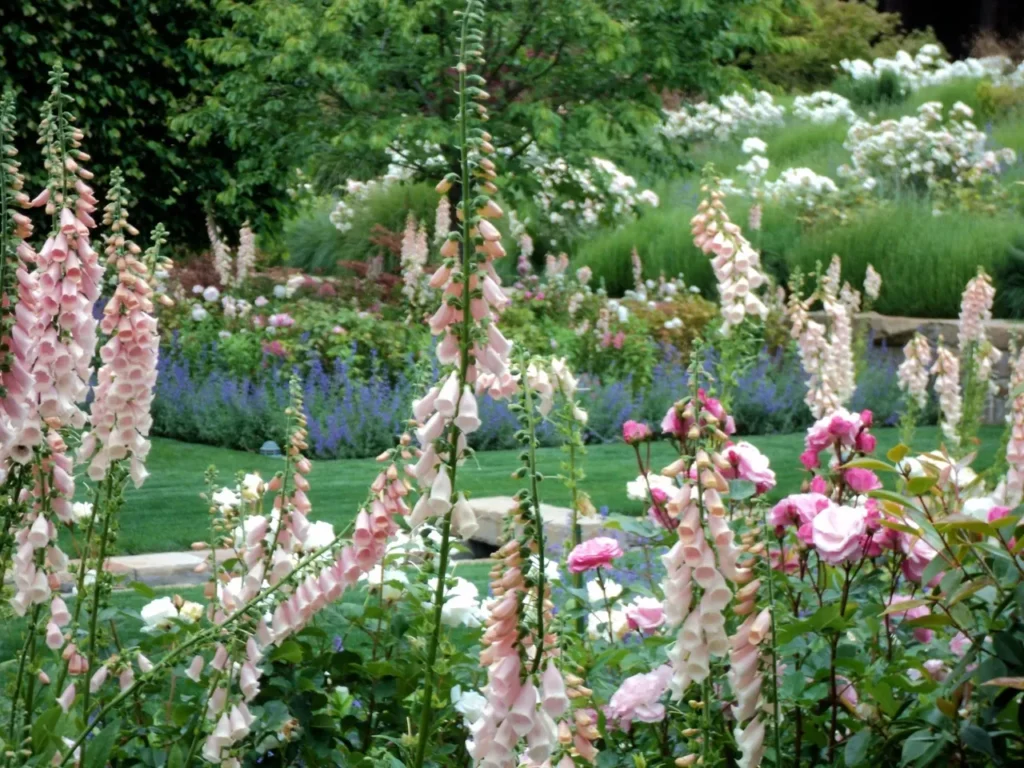
Step into a realm where every plant, pathway, and patio is meticulously planned to revitalize your outdoor oasis. Expert landscape design goes beyond aesthetic upgrades—it transforms everyday yards into functional, sustainable retreats ideal for enjoying the beauty of local environments like California’s diverse outdoor landscapes. By embracing specialized design principles, you can not only elevate curb appeal but also enhance usability and property value.
In this guide, you will explore key aspects of landscape design, including:
- Strategic plant selection based on regional climate insights,
- Innovative layout techniques that maximize natural light and open space,
- Practical maintenance tips to ensure year-round vibrancy.
Expert design harmonizes artistic vision with sustainable practices, ensuring that every element serves both form and function. Whether you’re looking to create a tranquil sanctuary or a lively entertaining space, you’ll find actionable tips to overcome common garden challenges and unlock the hidden potential of your property. Embrace this journey of transformation and learn how thoughtful design can spark a renewed sense of beauty and balance in your personal outdoor haven.
Kickstart Your Transformation with a Detailed Garden Evaluation
Begin your landscape transformation by taking a close look at your current garden layout. A careful assessment lays the foundation for the successful design journey ahead. Follow these clear steps to ensure you set realistic expectations and plan effectively:
- Identify the boundaries: Walk through your garden and note dimensions, hardscapes, and any natural elements. Creating a simple sketch helps visualize the space.
- Assess sun exposure and soil quality: Observe sunlight patterns throughout the day and conduct a basic soil test. Check for drainage issues and pH levels, crucial for plant health.
- Define your vision and garden style: Decide whether you want a low-maintenance, drought-tolerant landscape or a lush, vibrant haven. Consider incorporating local flora typical of Northern California or nearby communities.
- Note existing features: List current trees, shrubs, and garden structures. Evaluate which elements work and what might need a redesign.
- Formulate a plan: Arrange your envisioned layout by marking planting zones and walkways, ensuring accessibility and visual balance.
These actionable steps will guide you in creating a personalized garden blueprint that maximizes both beauty and functionality.
Choosing the Right Elements for Your Climate
When designing your garden, selecting plants, materials, and design features suited to your local climate and soil conditions is key. Start by evaluating your region’s seasonal patterns and soil composition to make informed choices that will thrive over time. Look for drought-tolerant or moisture-loving species, depending on your area’s rainfall and temperature ranges. This approach not only enhances plant survival but also reduces maintenance requirements.
Consider these practical steps:
- Soil Analysis: Test your soil’s pH, nutrient levels, and drainage capabilities to choose plants and amendments that work best.
- Plant Compatibility: Research native species and hardier varieties that can naturally coexist in your environment.
- Material Durability: Opt for locally sourced stone, mulch, or sustainable wood that withstand local weather extremes while providing aesthetic appeal.
- Design for Microclimates: Identify shaded, sunlit, and wind-exposed areas to optimize plant placement and create a balanced, functional outdoor space.
By tailoring your garden’s components to local conditions, you ensure a resilient, beautiful landscape that adapts to seasonal changes and enhances your outdoor living experience.
Eco-Friendly Garden Innovations
Discover how sustainable practices can revolutionize your outdoor space while contributing to a healthier environment. In today’s evolving garden landscape design, implementing eco-friendly strategies not only conserves resources but also creates a resilient, thriving ecosystem. Begin with integrating native plants that naturally flourish in your local climate, reducing the need for intensive watering or chemical treatments.
Consider these actionable tips:
- Soil Health: Enrich your garden with organic compost and natural mulches to improve soil structure and retain moisture.
- Water Conservation: Utilize drip irrigation and rainwater harvesting systems to reduce water waste.
- Integrated Pest Management: Embrace natural predators and biocontrol methods to keep pests at bay without resorting to harmful pesticides.
Local landscaping designs in regions like Northern California are increasingly embracing such green solutions. By adopting these practices, you not only enhance your garden’s beauty but also foster an environment that supports local biodiversity. Transform your garden into a sustainable haven where every plant plays a role in a balanced ecosystem, ensuring longevity and ecological integrity for years to come.
How Do I Begin My Garden Transformation?
Start with a clear vision of your desired outdoor space. Decide whether you need a cozy retreat or a functional space for entertaining. Begin by evaluating your garden’s current layout, soil quality, and available sunlight. Creating a mood board with colors, textures, and plant types can guide your initial planning.
What Are the Key Elements in Landscape Design?
Common design elements include:
- Plant selection that suits your local climate
- Hardscaping like walkways and patios
- Water features and focal points
- Lighting that enhances evening appeal
These components should blend harmoniously to create an inviting garden.
Which Plants Are Best for Local Areas?
Focus on native species that require less maintenance and thrive in your region’s conditions. Consulting local gardening resources can help identify plants that perform well in both coastal and inland California climates.
How Can I Maintain a Healthy Landscape?
Regular pruning, mulching, and seasonal fertilization improve plant health. It is essential to monitor watering schedules and address pest issues promptly.
What Are Effective Troubleshooting Tips for Garden Challenges?
- Identify pest species early
- Adjust watering for dry periods
- Schedule routine soil tests
Following these practical tips helps ensure a flourishing garden for years to come.
Culminating Insights and Next Steps
Expert garden design transforms your outdoor space by merging creativity with functionality. A thoughtfully planned landscape not only enhances the aesthetic appeal but also boosts your property’s value by creating lasting beauty, improved curb appeal, and an inviting environment. Embracing expert techniques means addressing common garden challenges—whether it’s managing seasonal changes, integrating sustainable practices, or overcoming design limitations. With localized insights, especially in regions like Northern California, you gain tailored advice that aligns with your specific climate and soil conditions.
Key benefits include:
- Enhanced plant selection for thriving, low-maintenance beauty
- Strategic layout planning that saves time and resources
- Increased property value through sophisticated outdoor design
As you reflect on your garden’s potential, consider the following steps:
- Evaluate your current landscape design and identify areas for improvement.
- Research sustainable practices and plant options suited for your local environment.
- Explore personalized consultation opportunities that help transform your ideas into reality.
Take the initiative to craft an outdoor oasis that not only delights your senses but also elevates your lifestyle. Embrace the journey towards a garden that’s both beautiful and resilient. transform your garden design garden designs