
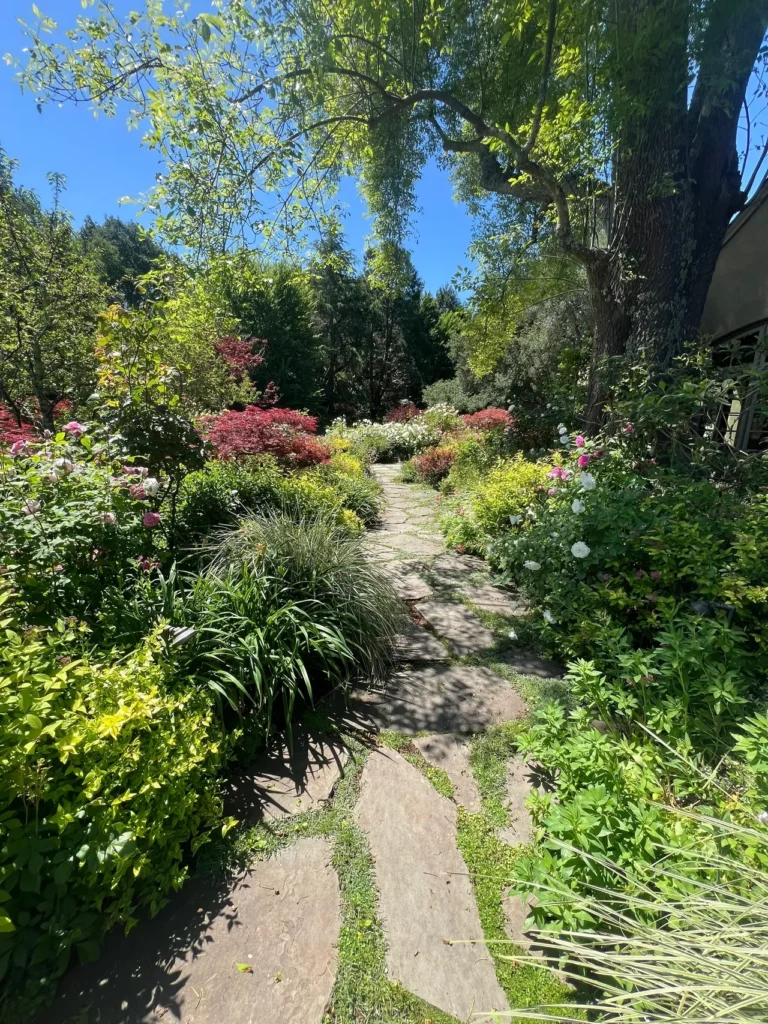
Vibrant Beginnings: Unlock Your Garden’s Potential
Garden landscape design holds transformative power that can elevate both the look and functionality of your outdoor space. With the ever-increasing focus on sustainable living and aesthetic appeal, an intelligently crafted garden not only boosts your property value but also rejuvenates your daily environment. Whether you’re nurturing a small backyard in Santa Cruz or embarking on a larger residential project in the Bay Area, the principles of effective landscape design remain essential.
In this section, you’ll learn:
- How to turn a simple patch of earth into an inviting retreat.
- Practical strategies for balancing beauty with functionality.
- Tips for sustainable plant selection and resource management that suit local climates.
This introduction paves the way for actionable insights and expert guidance throughout the guide. You’ll soon discover how overcoming common garden challenges can lead to a thriving, environmentally friendly space that reflects your personal style. Begin your journey into the art and science of garden design, where every detail contributes to a lasting, vibrant landscape.
Step-by-Step Garden Space Assessment and Layout Planning
Embark on your garden transformation journey with a clear, systematic approach that ensures every inch of your outdoor area is maximized. Begin by taking a comprehensive walk-through of your garden, noting natural features, microclimates, and existing plant arrangements. A detailed assessment sets the stage for designing a landscape that marries functionality and beauty.
- Start with a thorough inspection: note sun and shade patterns, soil conditions, and moisture spots.
- Sketch a rough layout of your garden, marking current boundaries, focal areas, and potential zones for new installations.
- List out necessary improvements such as hardscape integration, water features, or evolving seating areas.
- Consider regional traits: reflect on Northern California’s diverse climate and the Bay Area’s unique environmental cues, ensuring your plant selections and layout work harmoniously within local conditions.
- Prioritize areas that need immediate attention with actionable design ideas, gradually layering creative elements for a balanced, sustainable plan.
By following these sequential steps, you empower yourself with a practical blueprint designed to transform an underutilized space into a thriving garden oasis.
Top 5 Design Principles for a Garden that Inspires
A well-designed garden transforms outdoor space into an inviting retreat that balances beauty and functionality. Embrace these five cornerstone principles to achieve a landscape that resonates with both style and purpose.
- Harmonious Layout & Flow
Ensure smooth transitions between areas by planning paths and plant groupings that mimic natural movement. A well-conceived layout creates visual rhythm and encourages relaxed exploration. - Balanced Scale & Proportion
Match plant heights, textures, and decorative features with available space. Strive for a balance that prevents overcrowding while accentuating both large focal points and delicate details. - Texture & Color Coordination
Integrate a mix of foliage textures and complementary colors to add depth and vibrancy. Thoughtful pairing of shades can highlight key garden elements, especially in regions with diverse seasonal changes. - Sustainable Plant Selection
Choose native and drought-tolerant species that thrive in local climates. This approach not only conserves resources but also supports the local ecosystem, resulting in a resilient garden. - Functional Zones & Accessibility
Divide your garden into distinct areas for relaxation, dining, or active play. Creating defined zones with clear access points ensures the space is both aesthetically pleasing and practical.
Adapting Materials and Plants for Varied Climates and Soils
Creating an outstanding garden begins with selecting the right landscaping materials and appropriate plant varieties suited to local conditions. For regions with diverse climates like those found in Northern California and the Bay Area, working with durable, low-maintenance materials is key. Consider natural stone, brick pavers, or reclaimed wood to construct walkways and borders that not only enhance visual appeal but also stand up to fluctuating weather. These elements provide a resilient backdrop for flourishing plants.
When choosing plants, assess your soil type and climatic conditions. In areas with well-drained soils, opt for drought-resistant species that thrive under warm, sunny conditions. In contrast, gardeners with more moisture-retentive soils might experiment with moisture-loving perennials and ferns. To simplify your planning, focus on:
• Materials known for longevity and weather resistance
• Native plant varieties that adapt well to local conditions
• Complementary textures and colors that bring harmony to your outdoor space
By integrating these practical guidelines, you can design a landscape that not only caters to your local environment but also provides enduring beauty and functionality throughout the seasons.
What are the first steps in planning a garden landscape design?
Begin by evaluating your space’s natural elements such as soil type, sunlight, and drainage. Start small with a clear vision by sketching out your ideas and considering a phased approach to your garden renovation.
How do local climate factors influence garden design in California?
In regions like Santa Cruz and the Bay Area, seasonal weather and coastal influences require selecting drought-tolerant and native plants. This approach not only conserves water but also creates a resilient outdoor space that adapts to local conditions.
What common pitfalls should be avoided when designing a garden landscape?
Avoid overcrowding plants and neglecting proper irrigation planning. Poor soil preparation or mismatched plant choices can lead to stressed vegetation and extra maintenance. It’s crucial to plan a balanced layout that allows each plant to thrive.
How does sustainable gardening contribute to effective landscape design?
Sustainable practices such as using organic mulch, incorporating native plants, and designing efficient water systems support long-term garden health while reducing environmental impact.
What factors guide plant selection for varied garden zones?
Assess the microclimates within your garden, considering sun exposure and soil conditions for each zone. Tailoring plant choices will ensure robust growth and an attractive, cohesive design.
Cultivating Lasting Impressions
Thoughtful garden landscape design has the power to elevate your outdoor space into a stunning retreat that seamlessly marries functionality with beauty. In this guide, we’ve explored how well-planned layouts, balanced plant selections, and considerate spatial arrangements can transform even the most challenging environments into vibrant sanctuaries.
Key takeaways include:
- Strategic Planning: Assess site-specific factors such as sunlight, soil type, and water availability.
- Personalized Planting: Choose a diverse range of flora that complements both local climates and design aspirations.
- Sustainable Practices: Incorporate eco-friendly techniques that ensure long-term garden health and resilience.
For those in regions like Northern California or the Bay Area, these approaches offer practical solutions to common landscaping challenges. As you reflect on the transformative potential of each element discussed, consider revisiting your design blueprint and integrating new ideas that reflect your lifestyle and surroundings.
Embrace the opportunity to refine your space with thoughtful design choices. Whether you are an avid gardener or just beginning to explore outdoor creativity, taking these actionable steps can help you achieve a beautiful, thriving garden that stands the test of time and elevates your property’s appeal and functionality.